



Uganda: where the Big 5 has 3 new friends
Uganda's flagship tourism expo opened in Kampala this week. Beyond the official opening there were hikes with mountain gorillas, chimpanzees and white rhinos brought back from near-extinction.
The tenth Pearl of Africa Tourism Expo (POATE) opened at Speke Resort Munyonyo in Kampala, Uganda this week, with President Museveni at the podium and an estimated 3,000 buyers, sellers and travel professionals filling the convention centre.
Uganda's tourism industry lures Australian travellers
I arrived at POATE 2026 having spent the previous eight days travelling from Bwindi in the south-west to the Nile in Uganda’s north west with Nkuringo Safaris supported by the Uganda High Commission in Canberra and Uganda Tourism Board. Many African countries promote the big five to travellers. Uganda goes a step further (actually, three steps), claiming the big eight as one of its tourism drawcards. The traditional big five includes lion, elephant, rhino, buffalo and leopard. Uganda’s additions are mountain gorillas, chimpanzee and the Ugandan people, whose smiles are as wide as the Rift Valley which lines the country’s western border.
Mountain gorillas hog the limelight
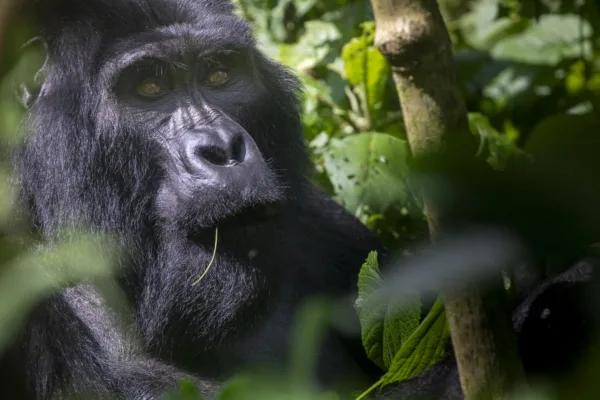
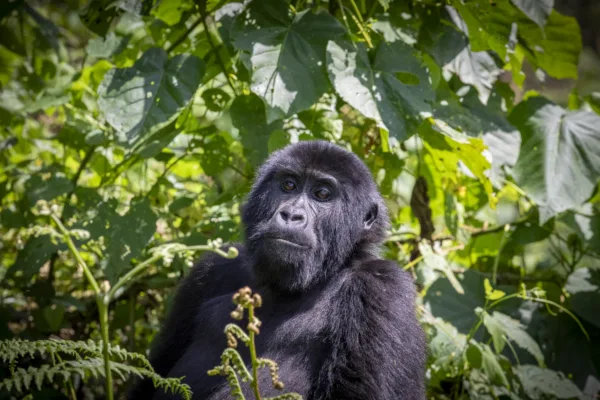
The hour-and-a-half descent into the Nkuringo section of Bwindi Impenetrable National Park is challenging, and a medium level of fitness is required, particularly on the return ascent. The park’s altitude at around 1800 metres above sea level adds to the challenge. So too the Equatorial humidity which can be energy-sapping. You won’t remember any of that, though, once you set eyes upon your first mountain gorilla.
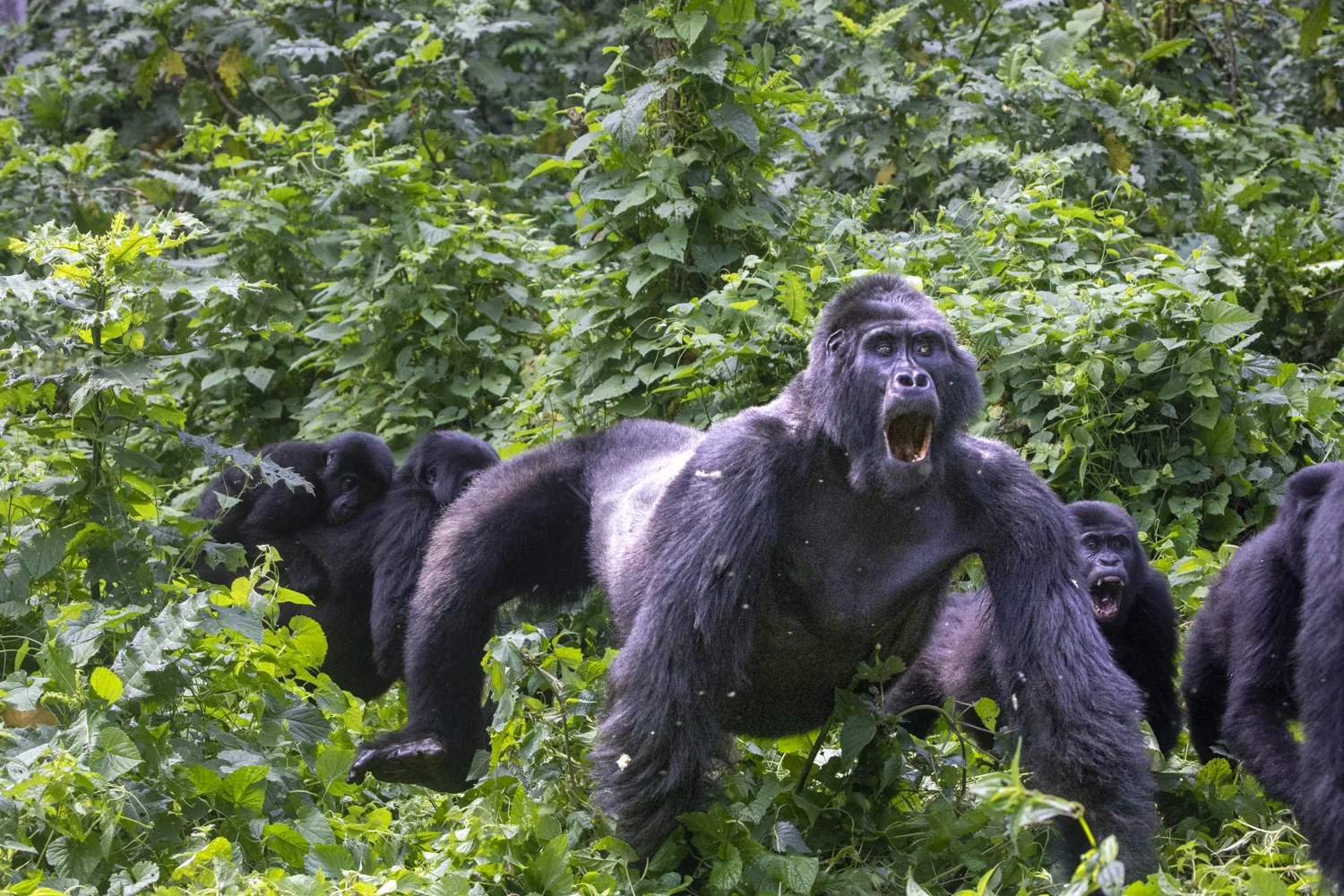
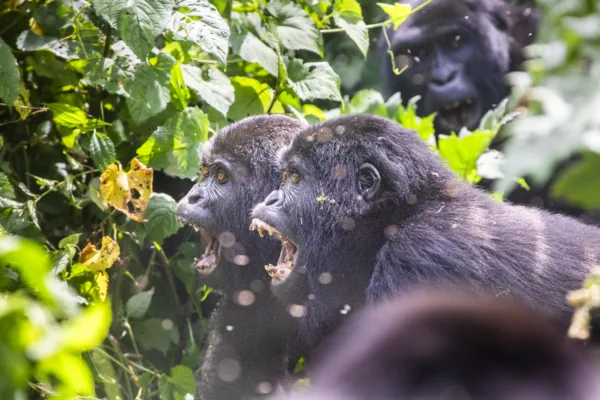
What I do remember is standing in a trampled forest clearing while two silverback gorillas settled a territorial dispute at close range. The smell of fresh gorilla poo. The saliva and spittle being flung, teeth bared, screeching roars and chests being beaten ferociously. Trackers had moved two families into the valley: 16 members in one group, eight in the other. One silverback weighed an estimated 250 kilograms — an alpha male on magnificent display — as it marked its turf. A juvenile brushed my legs as it sauntered past while the silverbacks beat their chests and flung their fists, churning the undergrowth into pulp in the fray.
Earlier, during the briefing, guide Emmanuel told us that if a gorilla charges, the correct response is not to run.
“Stand still,” he said. “And if you could manage it, keep taking photographs. If you take a picture when a gorilla has opened its mouth,” he said, “that is the best.”
But, as I later experienced, the first instinct when a gorilla charges, is indeed to run. Wedged in behind a small tree I had the presence of mind, as my life flashed before my eyes, to keep clicking the shutter. The images I captured will forever remind me of the moment a 250kg silverback took offence at my presence.
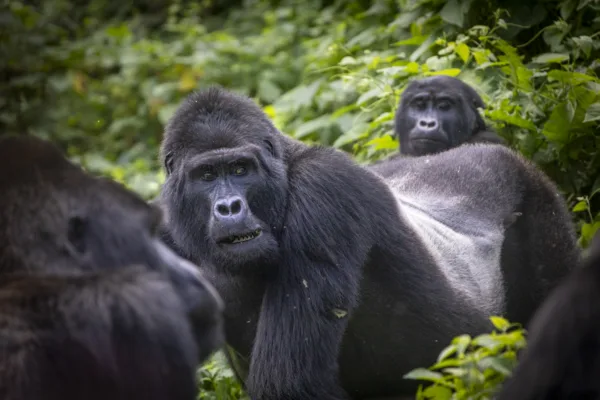
In the debrief afterwards, Emanuel mentioned that the extraordinary interaction between two gorilla families had been only his second two-family interaction in fifteen years of guiding at Bwindi National Park. Bwindi holds 25 habituated gorilla families, roughly half the mountain gorilla population in the broader Virunga Conservation Area.
Mountain gorillas are not Uganda's only attraction
Uganda’s challenge is to broaden its appeal to travellers the mountain gorillas. Having travelled across much of the country’s south and west, I’m confident there is much more to see and do. From Bwindi, an Aerolink domestic flight to Kasese dropped us into the area where Kibale National Park offers chimpanzee treking, another of Uganda’s big eight. Groups are allocated one hour with the chimps once rangers locate them. Though to be fair, we probably spent more than our allocated hour as we came across a large group towards the end of our trek.
At Ziwa Rhino Sanctuary, the only place in Uganda where white rhinos can be tracked on foot, we walked among animals that represent a conservation story still unfolding. Founded in 2005 with six relocated rhinos, the sanctuary is now home to more than 50 rhinos. In March 2026, four were released to Ajai Wildlife Reserve in the first wild reintroduction of rhinos to Uganda’s national parks in more than 40 years, after they were hunted to near extinction during civil unrest.
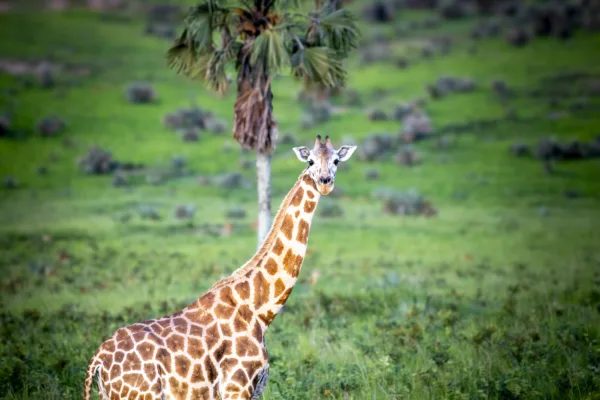
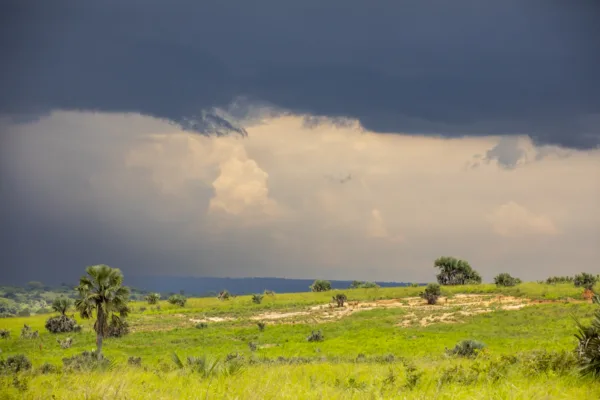
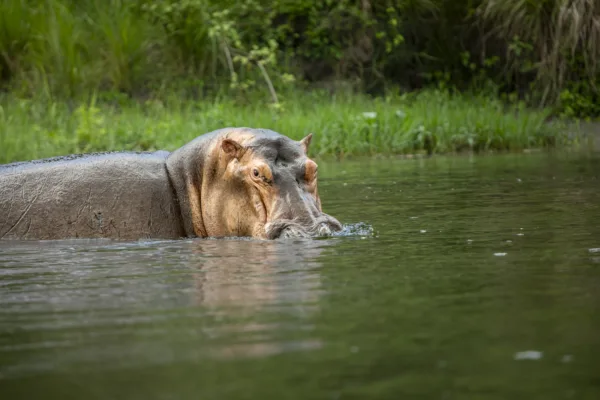
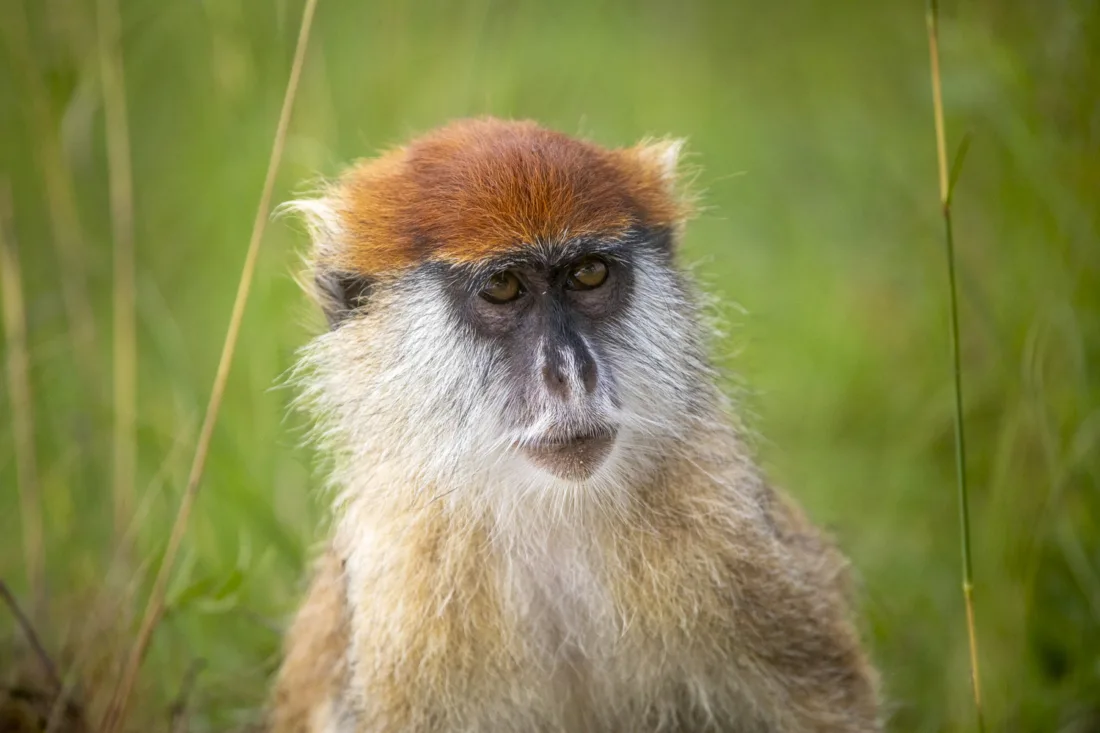
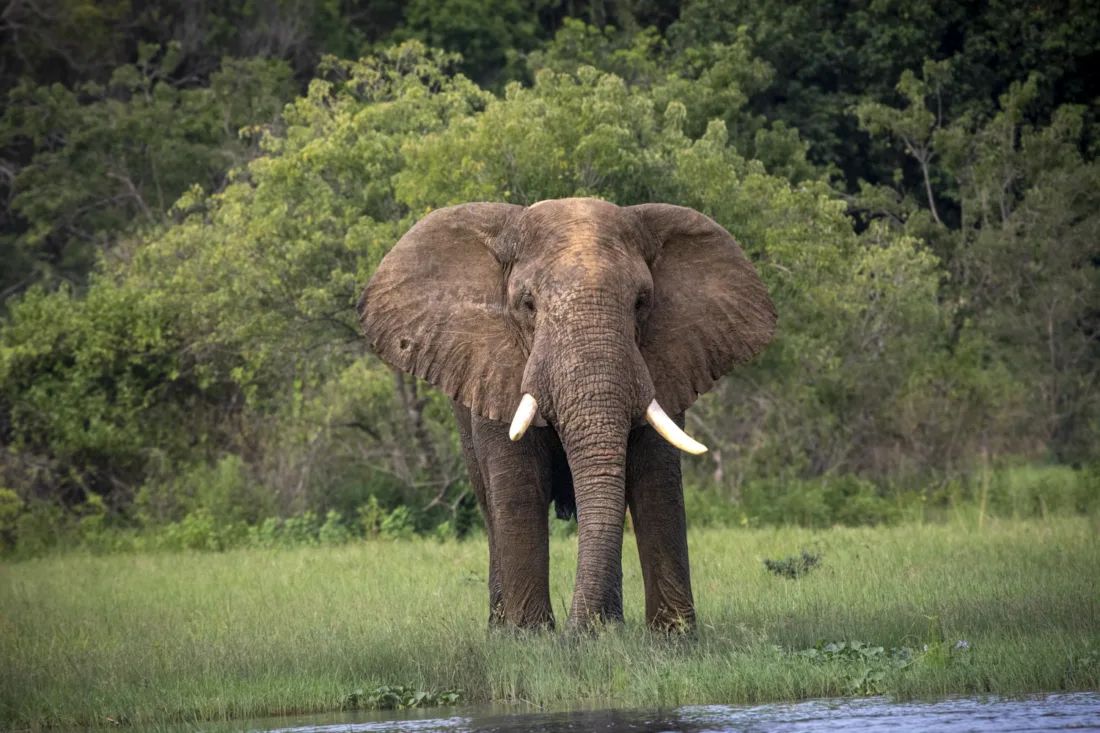
At Uganda’s largest park, Murchison Falls National Park, game drives through grasslands provided countless opportunities to view elephants, giraffe, lions, hyenas, warthog, buffalo, monkey and innumerable antelope species. We viewed the tumultuous falls from above, then took a boat cruise along the Nile to the base of the world’s most powerful waterfall. Hippos, birds and a lone elephant provided plenty of reminders of Uganda’s prolific wildlife. The local brew, Nile lager, was the sensible beverage of choice as we made our way back downstream, passing by the crash site where Ernest Hemingway had the misfortune to experience two plane crashes in two really bad days in 1954.
Getting to Uganda
Uganda is accessible from Australia and New Zealand via Emirates through Dubai, Qatar Airways through Doha, or Qantas through Johannesburg.
Tourist visas are USD50, available online prior to arrival. Gorilla permits cost USD800, chimpanzee permits cost USD250.
Visit Uganda Tourism Board for more information
Fiona Harper travelled as a guest of the Uganda High Commission, Canberra.
More like this...
- Hotel review: Papyrus Guesthouse, Entebbe Uganda
- Biking bravado in South Africa
- Sleeping with rock star royalty at the Dorchester
